
If you’re feeling shaky, sweaty, light-headed or suddenly hungry a few hours after eating you could be experiencing reactive hypoglycemia, a drop in blood sugar that happens after a meal.
Managing Low Blood Sugar
Fast-acting carbohydrates for hypoglycemia: A practical guide for Canadians living with diabetes

Certain medications that are used to help manage high blood glucose (sugar) can put you at risk for low blood sugars (hypoglycemia). Hypoglycemia can be dangerous if not treated properly.
What is glucagon and when is it used?

Glucagon is a hormone released from the pancreas that raises a person’s blood sugar by converting stored glycogen in the liver into glucose.
Updated guidelines for managing low blood sugar (hypoglycemia)
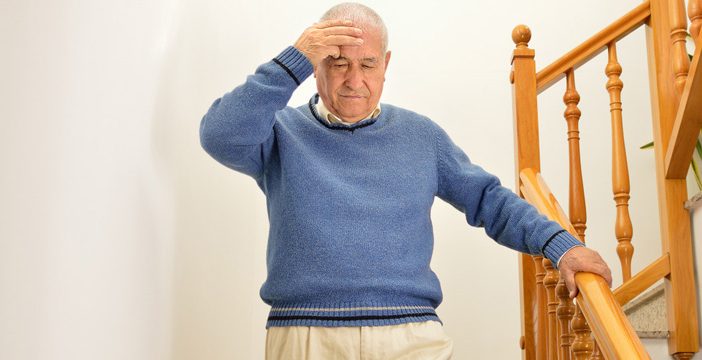
Diabetes Canada recently released updated guidelines on hypoglycemia (low blood sugar). This update is important because hypoglycemia is a common and a potentially dangerous complication of diabetes.
Essential information about hypoglycemia: talk to your healthcare team

Living with diabetes is a fine balance between avoiding high blood sugars, which can cause complications, and low blood sugars (hypoglycemia), which can interfere with your quality of life and in some cases cause serious harm.
Managing low blood sugars overnight

Low blood sugars (hypoglycemia) can be, at most, life threatening and, at the very least, an annoyance. In general, they’re pretty disruptive to your life! Lows that happen at night, when you are asleep, can be especially frightening.